
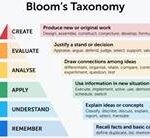
Click here to listen to Matt Belgie, MA Ed, Manager of Learning & Development at UPMC, present How Adults Learn Best: Preparing to Fill the Gaps. Matt will explore how adults learn differently—and how nurse educators and instructors can use those insights to create learning experiences that truly stick. Drawing on adult learning theory and practical examples, he’ll focus on how to identify learning gaps, craft clear and concise purpose statements, and design problem based, experience driven activities that engage learners and improve outcomes. You’ll be challenged to think about learning from the learner’s perspective—why they need to know something, how it applies to real clinical situations, and what will motivate them to act. By the end, you’ll walk away with practical strategies you can immediately apply to your own teaching and presentations. By the conclusion of this presentation, you will have gained actionable insights and tools that can be immediately applied to your own teaching and presentation practices.
Click here to listen to Kayla Jubic, DNP, RN, CCRN, CBC, Senior Clinical Professional Development Specialist, present an overview of UPMC’s Ongoing Competency Assessment Program, grounded in Donna Wright’s Competency Assessment Model. This presentation focuses on redefining competency as the verification of knowledge, skills, behaviors, and attitudes required for current and evolving practice. You will be introduced to the evidence-based framework guiding initial and ongoing competency development, the role of interdisciplinary steering committees, and practical approaches for writing meaningful competencies and selecting appropriate validation methods that align with organizational mission, patient safety, and professional accountability.
Coming soon.
Presenters: Caty Thomas, MSN, RN, CNL and Kendallyn White, MSN, RN, NPD-BC, CMSRN
Coming soon.
Presenter: Robin Helm
Coming soon.
Presenters: Tom Dongilli and Bianca Caruso
Coming soon.
Presenter: Cynthia McCarthy, DHCE, MA, NREMT
Coming soon.
Presenters: Phelicia Goshea and Sarah Wood
Coming soon.
Presenter: Matthew Belgie, MA, Ed
Coming soon.
Presenters: Michael J. Deem, PhD, Cynthia McCarthy, DHCE, MA, NREMT, and John Maier, PhD, MD
Coming soon.
Presenter: Courtney Noh
Coming soon.
Presenter: Robin Helm
Coming soon.
Presenter: Robin Helm